



Choosing the right industrial inverter drive means your motor and load fit your needs. Picking the right one helps keep things running smoothly. Your equipment lasts longer and is easier to check for problems. You save energy and stop your equipment from working too hard.
Many people have trouble with matching and sizing. A step-by-step plan can help fix these problems. Canroon gives good solutions and expert help.
Key Takeaways
Picking the right inverter drive helps save energy. It also makes machines last longer. This means you spend less money to run things. You will also fix things less often.
You need to know about your load before you pick a drive. It is important to find out if you need constant or changing torque. This helps your machine work its best.
Always look at motor details like voltage and current. Make sure these match the inverter drive. This helps everything work well together.
Think about things like heat and wetness in the air. The right enclosure keeps your drive safe. This also helps it last longer.
Talk to experts like Canroon if your job is hard. They can help you not make mistakes. They will help you pick the best drive for your work.
Industrial Inverter Drive Basics
What Is an Inverter Drive
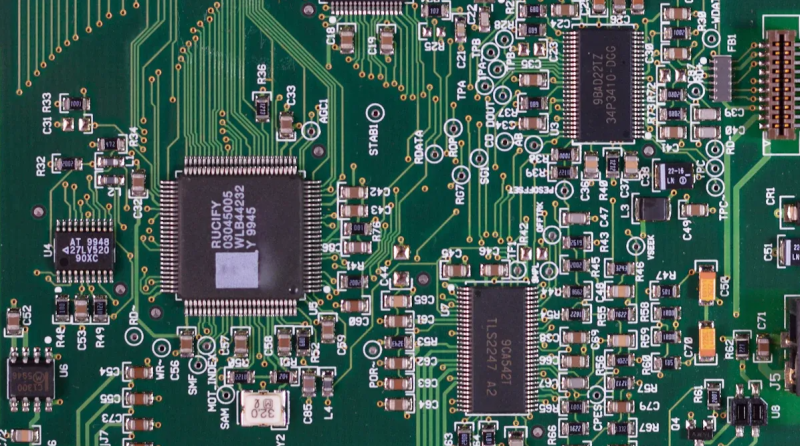
An industrial inverter drive helps you change how fast and strong a motor works. The inverter gets DC power from things like a battery or solar panel. It turns the DC into high-frequency AC with special electronic parts. Pulse Width Modulation (PWM) shapes the output to look like a sine wave. A filter circuit makes the output smooth and takes away extra noise. Feedback control keeps the voltage and frequency steady. The AC output then powers your motor or other machines.
Here is a table that shows the main parts and what they do:
Key Functions and Benefits
When you use an inverter drive, you get many good things. You save energy because the drive uses less power. You can change the motor speed exactly how you want. This helps you control your machines better. The drive also makes your equipment last longer by lowering wear and tear. VFDs help you save even more energy by matching the motor speed to what you need. You get very good control over speed and torque, which is important in factories. By changing the speed, the drive puts less stress on motors and means you fix them less.
Tip: Using an inverter drive saves you money and helps your equipment last longer.
Common Industrial Applications
You see inverter drives used in lots of places. In the food industry, they control packaging machines and mixers that need to be exact. Chemical plants use them to run pumps and mixers at the right speed. Textile factories use them for looms and weaving machines. Metallurgical plants use them for rolling mills and cranes. Building automation systems use inverter drives to run HVAC, pumps, and fans. This saves energy and makes things quieter. Oil and gas companies use them in drilling to work better. Food factories like them because they make machines start and stop smoothly.
Food industry: packaging machines, mixers
Chemical industry: pumps, mixers
Textile industry: looms, weaving machines
Metallurgical industry: rolling mills, cranes
Building automation: HVAC, pumps, fans
Oil & Gas: drilling operations
Application and Load Type Selection
Identifying Load Characteristics
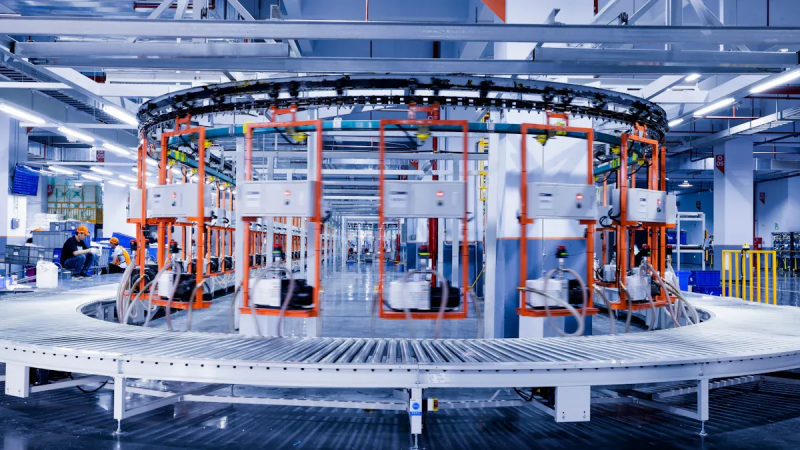
You need to know your load before you choose an inverter drive. Start by looking at how your machines work. Write down the type of equipment, how much power it uses, and how it runs during the day. This helps you find the right drive for your system.
Here is a table to help you see the main load types and what they mean for your selection:
You should also check if your load changes a lot or stays the same. Some machines, like cranes or grinders, need more power when they start. Others, like fans, use less power at low speeds. If you are not sure, you can ask Canroon for help with application analysis.
Tip: Write down all the details about your load. This makes it easier to find an application-specific inverter drive that fits your needs.
Constant vs. Variable Torque
You must know if your application needs constant torque or variable torque. This is important for picking the right inverter. Constant torque loads, like conveyors, need full torque even at low speeds. The drive must keep the motor strong enough to move heavy things without overheating. Variable torque loads, like fans and pumps, change how much power they use as speed goes up. If you make a fan go faster, it uses much more power because power goes up very quickly with speed.
Here is a table that shows the main differences:
Constant torque loads need full torque at low speeds. This is key for things like conveyors.
Variable torque loads, such as fans and pumps, see torque go up with speed. This means higher power use at high speeds.
If you choose the wrong drive, your system may not work well. You could waste energy or even damage your motor. Always match the inverter drive to your load type for the best energy savings and reliability.
Matching Application Needs
You want your industrial inverter drive to fit your application. Start by checking the basic motor data. Look at the rated power, current, and voltage. Make sure the inverter can handle these numbers. Different motors need different types of drives, so check the motor type too.
Follow these steps to match your application to the right inverter drive:
Understand the basic parameters of your motor, like power, current, and voltage.
Check the type of motor. Some motors need special drives.
Make sure the vfd’s rated power is higher than your motor’s power.
Check that the voltage and frequency match between the inverter and the motor.
Look for overload and overcurrent protection to keep your system safe.
Think about the environment. Dust, heat, or water can affect how your inverter works.
You should also look at the challenges for your application. For example, fans and pumps need the inverter to match the motor size. Cranes and high-inertia loads need a bigger inverter and a braking unit to handle energy feedback. Uneven loads need you to size the inverter for the heaviest load.
If you have a complex application or need help, Canroon can give you expert advice. Their team can help you with selection and make sure you get the right drive for your needs.
Note: Careful selection and matching mean better compatibility, longer equipment life, and more energy savings.
Motor and Power Data for Inverter Drive Selection
Motor Voltage and Current Ratings
You need to get all the important numbers from your motor before picking an inverter drive. First, look at the motor’s nameplate. You will see numbers like voltage, current, horsepower, and frequency. These numbers help you find the right inverter for your motor.
Voltage shows how much electrical force the motor needs.
Current tells you how much electricity the motor uses.
Frequency shows how fast the motor spins.
If you use the wrong voltage or current, the motor might not work right. You can use special tools to measure voltage and current. These tools help you check if the motor is working well. You can also use software to study power and get answers fast.
Tip: Always check where your motor will be used before picking an inverter. Dust, heat, and water can change how your motor works.
Horsepower and kW/Amp Requirements
You need to know the horsepower or kilowatts of your motor. These numbers show how much work your motor can do. You also need to check the Full Load Amps. This tells you how much current the motor uses at full power.
Look at the motor’s nameplate for HP, kW, and FLA.
Make sure the inverter drive can handle these numbers.
Check the frequency to match the motor speed.
Picking the right power rating helps you save energy and avoid trouble. You should think about how well the motor works in your system. NEMA rules help you choose the right motor and inverter.
Here are steps you should follow:
Look at the motor’s nameplate for important data.
Find voltage, FLA, HP or kW, and frequency.
Use these numbers to pick your vfd and stop problems.
Ensuring Motor and Drive Compatibility
You must make sure your motor and inverter drive work well together. If you pick the wrong ones, you can have big problems. The motor may not run well, use too much energy, or even break.
You should also check the rules for your motor. NEMA MG 1 Part 30 sets limits for motors used with vfds. It keeps voltage below 1000 V and rise times at 2 milliseconds. NEMA MG 1 Part 31 is for inverter duty motors. These motors can handle higher voltages and faster rise times.
Write down data about your machine and how it works.
Think about where you use the motor and what inverter you need.
Use special tools to get the right numbers.
Note: Picking the right size and making sure things fit means your system works better, lasts longer, and saves energy.
Supply Voltage and Enclosure Considerations
Single-Phase vs. Three-Phase Supply
You need to know what kind of power you have. Most homes and small shops use single-phase power. Big factories and heavy machines use three-phase power. Each type works best with certain inverter drives. Here is a table that shows the main differences:
If you pick the wrong type, your system might not work right. Always check your power supply before you buy.
Enclosure Style and Protection Ratings
You need to keep your inverter drive safe from dust and water. The right enclosure helps your equipment last longer. IP ratings show how much protection you get. Here is a table to help you:
Tip: Higher IP ratings help stop damage and lower repair costs. They keep important parts safe in tough places.
Canroon has many enclosure styles for hard conditions. You can find choices for dusty places, wet spots, and outside use.
Environmental Factors
You need to think about where you will put your inverter drive. The place can change how well it works. Here are some things to check:
Temperature: Most drives work between -10°C and 40°C. If it gets hotter, you may need to lower the power.
Humidity: Keep humidity below 90%. Too much moisture can cause problems inside the drive.
Altitude: Drives work best below 1000 meters. At higher places, power goes down.
Dust: Stay away from places with lots of dust, especially if it can conduct electricity.
You should also make sure there is enough air for cooling. If you use the drive outside, watch out for heat from the sun. Good planning helps your inverter drive last longer and work better.
Safety, Certification, and Efficiency in Industrial Drive Selection
Safety Functions and Standards
Safety is very important when you pick an inverter drive. New drives have features that keep people and machines safe. Safe Torque Off (STO) is a key safety function. STO stops the motor from making torque, so it cannot move by mistake. This keeps workers safe when fixing or setting up machines. STO also lets you start the system again quickly. This means you do not lose much work time. Other safety features you might see are:
Safe Speed Monitoring (SSM) checks if the motor is too slow.
Safe Direction (SDI) makes sure the motor turns the right way.
Safely Limited Acceleration (SLA) stops the motor from speeding up fast.
Safe Motor Temperature (SMT) shuts off the motor if it gets hot.
You should pick drives that meet safety standards like EN 61800-5-2, EN 62061, and EN ISO 13849-1. These rules help you know the drive is safe for your job. Risk assessment helps you choose the safety level you need, like Safety Integrity Level (SIL) or Performance Level (PL).
Tip: Always look for STO and other safety features when you pick an industrial drive.
Regional and Industry Certifications
You must check if your inverter drive has the right certifications for your area and industry. Certifications show the drive follows important safety and performance rules. Some common certifications are CE for Europe, UL for North America, and CCC for China. Some jobs need extra certifications, like ATEX for places with explosions or marine approvals for ships. Always check the label and papers before you buy.
CE: Follows European safety and EMC rules.
UL: Meets North American safety standards.
CCC: Needed for products in China.
ATEX: Used for explosive or dangerous places.
Drive Efficiency and Energy Savings
You can save money and help the planet by picking a drive that works well. Drives with high efficiency use less power and make less heat. This means you pay less for energy and make less CO2. The EU Eco-design Directive asks companies to use motors and drives that save energy. Variable speed drives (VSDs) are important for saving energy in factories.
You should always check how efficient the drive is and pick ones that help you save energy. This makes your system better for the earth and saves you money.
Speed and Torque Requirements for Variable Frequency Drive
Speed Range and Regulation
You need to check how much speed your motor needs for your job. Some machines must run at a steady speed. Others can work with speed changes. You should look at these points when you choose a variable frequency drive:
Required frequency range
Speed control accuracy
Acceleration and deceleration times
Torque control capabilities
You must know if your process needs the motor to keep the same speed or if small changes are okay. Some vfd models can handle speed changes better than others. If you need very steady speed, pick a drive that gives good speed regulation.
Here is a table to help you see what to check:
When you pick a drive, think about how well it can control speed. Some jobs, like robots, need very exact speed. Others, like fans, can work with less control. Good speed control helps your system work better and last longer.
Torque Demands and Load Matching
You must also look at how much torque your machine needs. Torque is the force that turns the motor. If you do not match the torque right, your machine may not work well.
Follow these steps to check torque demands:
Find the motor’s full-load amperes at the rated voltage.
Add up the full-load current for all motors you want to run.
Add any extra current for starting or heavy loads.
Pick a drive that can handle the highest current you need.
Make sure the drive gives good speed control over the whole speed range.
Motor users must make sure all parts of the machine can work safely at top speed. If you do not check this, you could hurt someone or damage your equipment.
You should always match the drive’s torque and speed to your machine’s needs. This gives you the best performance and keeps your system safe. Meeting these requirements helps your equipment run smoothly and last longer.
Comparing Industrial Inverter Drive Types
V/F Drives Overview
V/F drives are good for simple motor jobs. They change how much voltage and frequency go to the motor. You often find them in fans, pumps, and conveyors. These drives are not expensive and have a basic design. They work fine if you do not need exact speed or quick changes. But they are not the best for hard or fast-moving jobs.
Vector Control Drives
Vector control drives use math to help control the motor. They figure out where the rotor’s magnetic field is and how strong it is. This gives you better control of speed and torque. These drives are good for machines like mixers, extruders, and hoists. They help the motor start and stop smoothly. They also keep the motor at the right speed, even if the load changes. Vector drives are better than V/F drives when you need more control.
Vector drives use math models to control the motor.
They help with jobs that need steady speed and torque.
Servo and Specialty Drives
Servo drives give you the most control. You use them for jobs that need very exact moves, like robots, CNC machines, or packaging lines. Servo motors often have permanent magnets, so they do not need extra current for a magnetic field. This makes them fast and accurate. You get quick moves and exact spots. Some servo motors cannot go super fast because of back EMF, but they are still the most precise.
Servo drives are best for hard and exact jobs.
They use permanent magnets for better and faster control.
Best-Fit Applications Table
You can look at this table to see which drive works best for each job:
Tip: Pick the drive type that fits your job’s needs for control, speed, and accuracy. The right drive can help your system work better and last longer.
Quick Selection Checklist and Canroon Support
Step-by-Step Selection Checklist
You can use this guide to pick the right vfd for your job. Follow each step and check your needs closely:
Write down your motor’s details. Include power, voltage, current, RPM, and service factor. Make sure your motor works with an inverter.
Find out your load type. Decide if you need constant torque for things like conveyors or variable torque for pumps and fans.
Check your environment. Look at temperature, humidity, dust, and chemicals. Pick an enclosure that fits these conditions.
Choose your control needs. Do you want PID control, preset speeds, or special ways to talk to other devices?
Check your power supply. If your power is not good, you might need extra parts like line reactors.
Decide if you need braking. If your machine stops a lot under load, add braking resistors.
Look for safety features. Safe Torque Off and Safe Speed Limit help keep your system safe.
Watch for warning signs. Do not pick drives without thermal protection, EMI filtering, or overload ratings.
Tip: Many people make mistakes by only looking at horsepower or skipping overload checks. Always match your drive to your load and where you use it.
When to Consult Canroon Experts
You might have problems when picking a vfd. If your job is hard, your loads are strange, or your place is tough, ask Canroon for help. Their team can look at your needs and help you with each step. You get help with network setup, safety rules, and planning for service. Canroon experts help you avoid mistakes like picking the wrong motor or forgetting space for cooling.
Note: You can contact Canroon for a full guide or advice on special vfd jobs. Their help gives you good and safe solutions.
If you follow clear steps to pick inverter drives, your factory works better. When the drive matches your job, you get lots of good things:
Your machines run steady, so you have fewer problems.
Your equipment lasts longer because it gets less worn out.
You can connect to control systems easily, which helps you find issues.
You use less energy if you pick high-efficiency drives and motors.
You can make pumps work better in water treatment. You can also control conveyor belts in factories. These choices help you meet quality rules and keep your system working well. Use the checklist, look at Canroon’s guides, or ask experts for help.
FAQ
What is the main benefit of using an inverter drive?
You save energy and protect your equipment. Inverter drives let you control motor speed. This helps your machines last longer and lowers your power bills.
How do I know if my motor is compatible with an inverter drive?
Check your motor’s nameplate for voltage, current, and frequency. Make sure these match the inverter drive’s ratings. If you feel unsure, ask your supplier or Canroon for help.
Can I use one inverter drive for multiple motors?
You can run several motors with one drive, but all motors must start and stop together. The total current must not exceed the drive’s rating.
Tip: Always size the drive for the combined load of all motors.
What should I do if my inverter drive overheats?
First, check for dust or blocked airflow. Make sure the cooling fan works. Lower the load if needed. If the problem continues, contact a technician.
Which enclosure rating should I choose for outdoor use?
Pick IP65 for outdoor use. This rating keeps out dust and water.
Anterior:
Siguiente:
Suscríbete para actualizaciones