



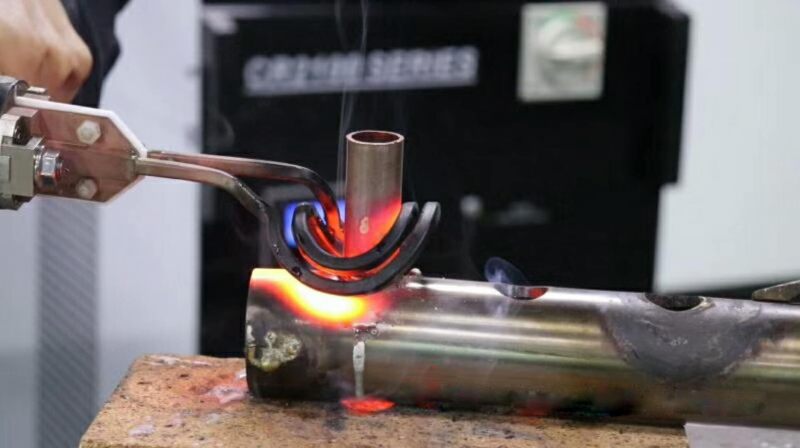
Deseas seleccionar equipos de unión por inducción que se ajusten a tus necesidades. Antes de comenzar, debes conocer tu material, tu proceso y tus objetivos de producción. Muchos fabricantes enfrentan problemas como:
Mantener la temperatura adecuada para uniones fuertes y seguras
Elegir materiales que funcionen bien con la inducción
Manejar equipos y pasos difíciles
Canroon te ayuda a aprender sobre estos aspectos y te brinda asesoramiento experto para facilitar tu decisión.
Puntos clave
Determina lo que necesitas unir. Considera los materiales que utilizas. Analiza tu proceso y tus objetivos de producción. Conocer estos aspectos te ayuda a elegir elequipo correcto.
Selecciona los ajustes de potencia y frecuencia que se adapten a tus materiales. Usa alta potencia para piezas gruesas. Usa baja potencia para piezas delgadas.
Elige un diseño de bobina que coincida con la forma de tu pieza. La bobina correcta proporciona calor uniforme. Esto fortalece la unión.
Considera el tamaño y la facilidad de mover el equipo. Asegúrate de que quepa en tu espacio de trabajo. Debe ser fácil de usar. Esto te ayuda a trabajar mejor.
Selecciona un proveedor en el que puedas confiar. Deben ofrecer buen soporte y equipos de calidad. Un buen servicio te ayuda a evitar errores y retrasos en el trabajo.
Define las necesidades de tu aplicación
Antes de elegirequipos de unión por inducción, debes saber lo que necesitas. Esto te ayuda a encontrar equipos que se ajusten a tus materiales, espacio y objetivos. Tomarás decisiones más inteligentes si comienzas con datos claros.
Requisitos de materiales y procesos
Debes saber qué materiales deseas unir. La unión por inducción funciona con muchos materiales. A menudo se usa para metales, plásticos, vidrio y caucho. La siguiente tabla muestra algunos pares comunes:
Diferentes materiales se calientan de manera única. Metales como el acero se calientan rápido debido a su alta resistividad. El cobre y el aluminio tardan más en calentarse porque tienen baja resistividad. Los materiales magnéticos se calientan más fácilmente, pero los no magnéticos requieren más potencia. Si tu material es grueso, tardará más en calentarse. Si tu material no conduce, podrías necesitar un suceptor conductor para ayudar con el calentamiento.
Consejo: Anota todos los materiales que deseas unir. Verifica si conducen, su grosor y si son magnéticos. Esto te ayudará a elegir la bobina y potencia adecuadas para tu equipo de unión por inducción.
Escala de producción y espacio de trabajo
Piensa en cuántas piezas necesitas unir y dónde usarás el equipo. Si produces muchas piezas, necesitas equipos rápidos y capaces de manejar grandes volúmenes. Si fabricas lotes pequeños o piezas personalizadas, puedes preferir un sistema de inducción portátil que se adapte a tu espacio.
Grandes fábricas usan sistemas fijos de calentamiento por inducción para velocidad y trabajo constante.
Talleres pequeños pueden preferir equipos compactos o móviles para más opciones.
El tamaño de tu espacio de trabajo importa. Asegúrate de que tu equipo quepa y deje espacio para seguridad.
También debes considerar la facilidad de uso del equipo. Controles simples y pantallas claras ayudan a capacitar a los trabajadores y evitar errores.
Resultados de unión deseados
Debes establecer objetivos claros para los resultados de tu unión. Una buena unión significa juntas fuertes, limpias y duraderas. Puedes verificar tus resultados de diferentes maneras:
Los resultados de unión afectan el funcionamiento de tu producto con el tiempo. Por ejemplo, algunos adhesivos absorben más agua que otros. Sikadur absorbe aproximadamente 60.77% de su masa después de mucho tiempo, pero Loctite absorbe alrededor del 182.59%. Estos números muestran por qué debes adaptar tu método de unión a tu entorno. El envejecimiento y el estrés pueden cambiar la resistencia de la unión. Debes probar tus uniones y elegir equipos de unión por inducción que te ayuden a alcanzar tus objetivos de calidad.
Nota: Necesidades claras te ayudan a elegir el sistema de calentamiento por inducción, diseño de bobina y ajustes de potencia adecuados. Esto facilita todas las demás decisiones.
Características clave de los equipos de unión por inducción
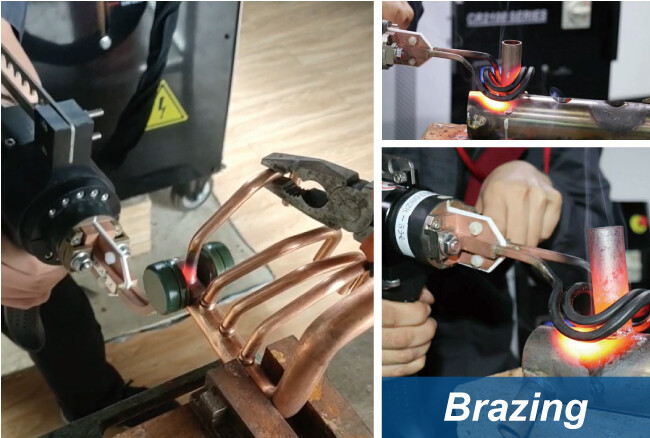
Selección de potencia y frecuencia
Debes elegir la potencia y frecuencia adecuadas para tuequipo de calentamiento por inducción. La potencia determina qué tan rápido y profundo penetra el calor en tu material. Si usas alta potencia, funciona mejor para piezas gruesas o grandes. Baja potencia es buena para piezas pequeñas o delgadas. La frecuencia cambia cómo se distribuye el calor en tu material. Alta frecuencia calienta solo la superficie. Baja frecuencia calienta más profundamente.
Considera qué material usas y su grosor. Metales con alta resistividad se calientan más rápido con calentamiento por inducción. Si usas cobre o aluminio, necesitarás más potencia. Si deseas unir plásticos o caucho, debes ajustar la frecuencia para un mejor calentamiento. Los ajustes correctos te ayudan a crear uniones fuertes y uniformes cada vez.
Consejo: Anota el tamaño y tipo de tus piezas. Esto te ayudará a elegir la mejor potencia y frecuencia para tu máquina de calentamiento por inducción.
Diseño de bobina y patrón de calor
La bobina es la parte más importante de tu sistema de calentamiento por inducción. La forma y diseño de la bobina determinan cómo se distribuye el calor. Quieres una bobina que proporcione calor uniforme donde lo necesitas. Diferentes diseños de bobina son mejores para diferentes trabajos.
Aquí hay una tabla que muestra algunos diseños de bobina comunes y sus funciones:
También puedes ver cómo la forma de la bobina afecta el calor y la calidad de la unión:
Cuando usas la bobina correcta, puedes controlar mejor el calor. Por ejemplo, una prueba mostró que después de un segundo, el marco de unión alcanzó 343 °C. La temperatura promedio fue de 271 °C, y la más baja fue de 48.1 °C en el sustrato de unión. Después de diez segundos, la temperatura más alta subió a 513 °C. Esto significa que puedes obtener calentamiento rápido y uniforme si usas la bobina correcta.
Si deseas unir piezas planas, una bobina tipo pancake es una buena opción. Para piezas largas o redondas, una bobina helicoidal de múltiples vueltas proporciona un área de calentamiento más larga. Siempre adapta la bobina a la forma y tamaño de tu pieza para los mejores resultados.
Tamaño, portabilidad y facilidad de uso
Necesitas elegir equipos de unión por inducción que se ajusten a tu espacio de trabajo y sean fáciles de usar. Algunos trabajos requieren máquinas móviles. Otros necesitan máquinas más grandes fijas. Aquí hay una tabla con algunos modelos comunes y sus tamaños:
Si necesitas una máquina pequeña de calentamiento por inducción, puedes elegir modelos que pesan solo 7.8 libras (3.5 kg). Modelos más grandes pesan alrededor de 44 libras (20 kg). Puedes mover estas máquinas fácilmente si necesitas trabajar en diferentes lugares.
También es importante que la máquina sea fácil de usar. Los buenos equipos de unión por inducción tienencaracterísticas que simplifican tu trabajo. Busca estas características:
Puedes usar una pantalla táctil para controlar la bobina de calentamiento por inducción. Puedes ver la temperatura y el estado del sistema de inmediato. Si hay un problema, la alarma y guía te ayudan a solucionarlo rápidamente. El soporte multilingüe facilita el uso de la máquina. El control remoto y la exportación de datos facilitan la gestión de tu trabajo y el mantenimiento de registros.
Nota: Al elegir equipos de unión por inducción, siempre verifica el tamaño, peso y controles de usuario. Esto te ayuda a trabajar de manera segura y eficiente en tu espacio.
Consideraciones sobre sistemas de calentamiento por inducción
Propiedades del material y profundidad de penetración
Cuando usas calentamiento por inducción, las propiedades del material son cruciales. Estas propiedades afectan qué tan profundo penetra el calor en la pieza. El efecto piel mantiene la mayor parte del calor cerca de la superficie. Debes conocer la resistividad y permeabilidad. Estos factores determinan cuánto calor se mueve dentro de tu pieza. La siguiente tabla muestra cómo cada propiedad afecta laprofundidad de penetración:
Si usas alta frecuencia, el calor se mantiene cerca de la superficie. Baja frecuencia permite que el calor penetre más profundamente en el material. Puedes verificar la profundidad del calor con pruebas como perforación de agujeros, uso de una ranura o un canal anular. Estas pruebas te ayudan a verificar si tu equipo de unión por inducción funciona bien para tu trabajo.
Elevación de temperatura y eficiencia
El calentamiento por inducción calienta muy rápido y usa energía eficientemente. La energía va directamente a la pieza, por lo que no desperdicias mucha potencia. La mayoría de los sistemas de calentamiento por inducción tienen una eficiencia de hasta90%. Métodos antiguos solo alcanzan del 40% al 60% de eficiencia. Los equipos de calentamiento por inducción ahorran energía generando calor dentro de la pieza. Por ejemplo:
Las cocinas de inducción envían84% de la potencia a la carga.
Las bobinas eléctricas envían el 71%.
El calentamiento por gas solo envía el 40%.
Ahorras más energía y desperdicias menos calor con la inducción. Esto significa que puedes unir piezas más rápido y gastar menos en energía.
Seguridad y mantenimiento
Debes seguir normas de seguridad al usar equipos de unión por inducción. Muchas fábricas requierencertificaciones de seguridad especiales. La siguiente tabla enumera algunos estándares comunes:
También debes cuidar tu equipo de calentamiento por inducción.Mantenimiento regular ayuda a prevenir problemas y mantener tu equipo seguro. Aquí hay algunas tareas importantes:
Inspecciona y limpia tu equipo con frecuencia.
Verifica niveles de refrigerante y limpia intercambiadores de calor.
Calibra y alinea la máquina para un buen calentamiento.
Lubrica partes móviles para evitar desgaste.
Si haces estas cosas, tu equipo de unión por inducción funcionará bien y permanecerá seguro.
Elegir un proveedor confiable
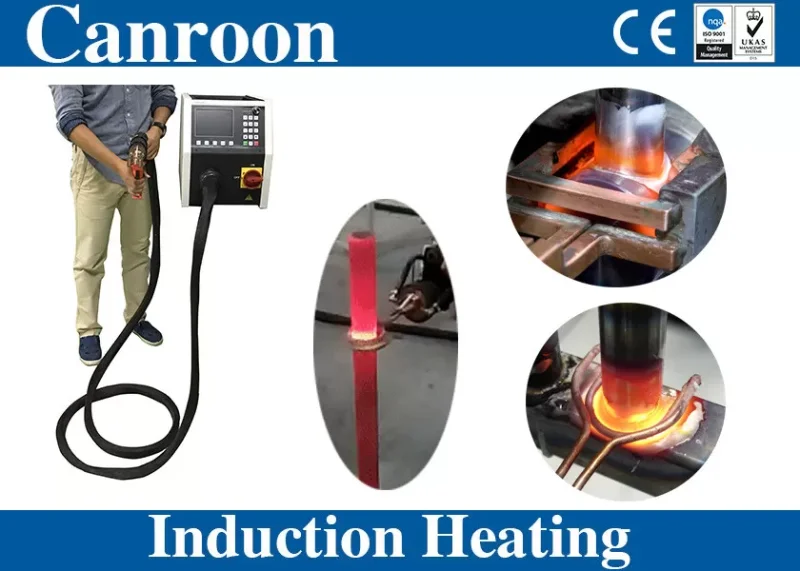
Soporte y servicio de Canroon
Quieres un proveedor que te ayude desde el principio. Canroon ofrece un sólido soporte paraequipos de unión por inducción. Te ayudan a configurar tu máquina y enseñarte cómo usarla. Si algo sale mal, te ayudan a solucionarlo rápidamente. Incluso pueden verificar tu máquina de forma remota. Esto mantiene tu trabajo sin interrupciones. Si necesitas adaptar tu máquina para tu trabajo, el equipo de Canroon te ayudará. Buen soporte significa que no pierdes tiempo y puedes terminar tu trabajo a tiempo.
Consejo: Un buen servicio te ayuda a obtener más por tu dinero. Ahorras tiempo y evitas errores costosos.
Aquí hay una tabla que muestra qué buscar en un proveedor:
Calidad y durabilidad del equipo
Necesitas equipos de unión por inducción que funcionen bien durante mucho tiempo. Las buenas máquinas de calentamiento por inducción usan partes resistentes y diseños inteligentes. Debes verificar si la máquina está correctamente conectada a tierra y alineada. El enfriamiento es importante para evitar sobrecalentamiento o averías. Debes mantener registros de potencia, frecuencia y tiempo de calentamiento para cada trabajo. Buenas herramientas y un buen sistema de temple prolongan la vida útil de tu máquina.
Soporte postventa y repuestos
Después de comprar equipos de unión por inducción, necesitas buen servicio y ayuda. Canroon te ofrece una garantía para proteger tu máquina. Te ayudan a reparar o reemplazar partes si algo se rompe. Puedes obtener repuestos rápidamente para que tu máquina no deje de funcionar. Proveedores líderes como Radyne, Ajax TOCCO y Lawatherm tienen muchos repuestos disponibles. Respuestas rápidas y claras de tu proveedor generan confianza y satisfacción.
Nota: Un buen soporte postventa te ayuda a seguir trabajando y genera confianza. Obtienes ayuda rápida, servicio sólido y formas fáciles de conseguir repuestos.
Debes elegir un proveedor que ofrezca buen soporte, máquinas resistentes y repuestos confiables. Esto te ayuda a usar tu tecnología de calentamiento por inducción de manera efectiva y mantiene tu trabajo seguro y fluido.
Puedes encontrar el equipo de unión por inducción adecuado siguiendo algunos pasos sencillos. Primero, piensa en lo que necesitas y revisa losdetalles técnicos. Luego, elige la mejor frecuencia y potencia para tu trabajo. Asegúrate de que el sistema use menos energía y proporcione uniones fuertes. Elige un proveedor con experiencia y capacidad de ayuda. Cuando adaptas el equipo a tu trabajo, obtienes mejores uniones y trabajas más rápido. Canroon puede ayudarte con asesoramiento y buen servicio. Puedes hacerles preguntas o probar una demostración para ver cómo pueden ayudarte.
Preguntas frecuentes
¿Qué materiales se pueden unir con calentamiento por inducción?
Puedes unir metales, plásticos, vidrio y caucho. El calentamiento por inducción funciona mejor con materiales conductores. Si tu material no conduce, puedes necesitar un suceptor para transferir calor.
¿Cómo elegir la bobina adecuada para tu aplicación?
Debes adaptar la forma de la bobina a tu pieza. Las bobinas tipo pancake funcionan bien para piezas planas. Las bobinas helicoidales son adecuadas para piezas redondas o largas. Siempre prueba diferentes bobinas para encontrar el mejor patrón de calor.
¿Es seguro usar equipos de unión por inducción?
Los equipos de unión por inducción son seguros si sigues las normas de seguridad. Busca máquinas con certificaciones como UL o CE. Siempre verifica la conexión a tierra y mantén limpio tu espacio de trabajo.
¿Con qué frecuencia debes mantener tu equipo de unión por inducción?
Debes inspeccionar y limpiar tu equipo regularmente. Verifica niveles de refrigerante y alinea la máquina antes de cada uso. Un buen mantenimiento prolonga la vida útil de tu equipo.
Suscríbete para actualizaciones